
Analyzing the Deterioration of Law and Order in Bangladesh and Its Impact on Public Sentiment
The law and order situation in Bangladesh has experienced a marked deterioration, causing increased frustration among citizens and raising concerns at all levels of government and civil society. This article explores the multidimensional factors contributing to this decline, evaluates recent developments, and considers the broader implications for national stability and governance.
Quick Answer
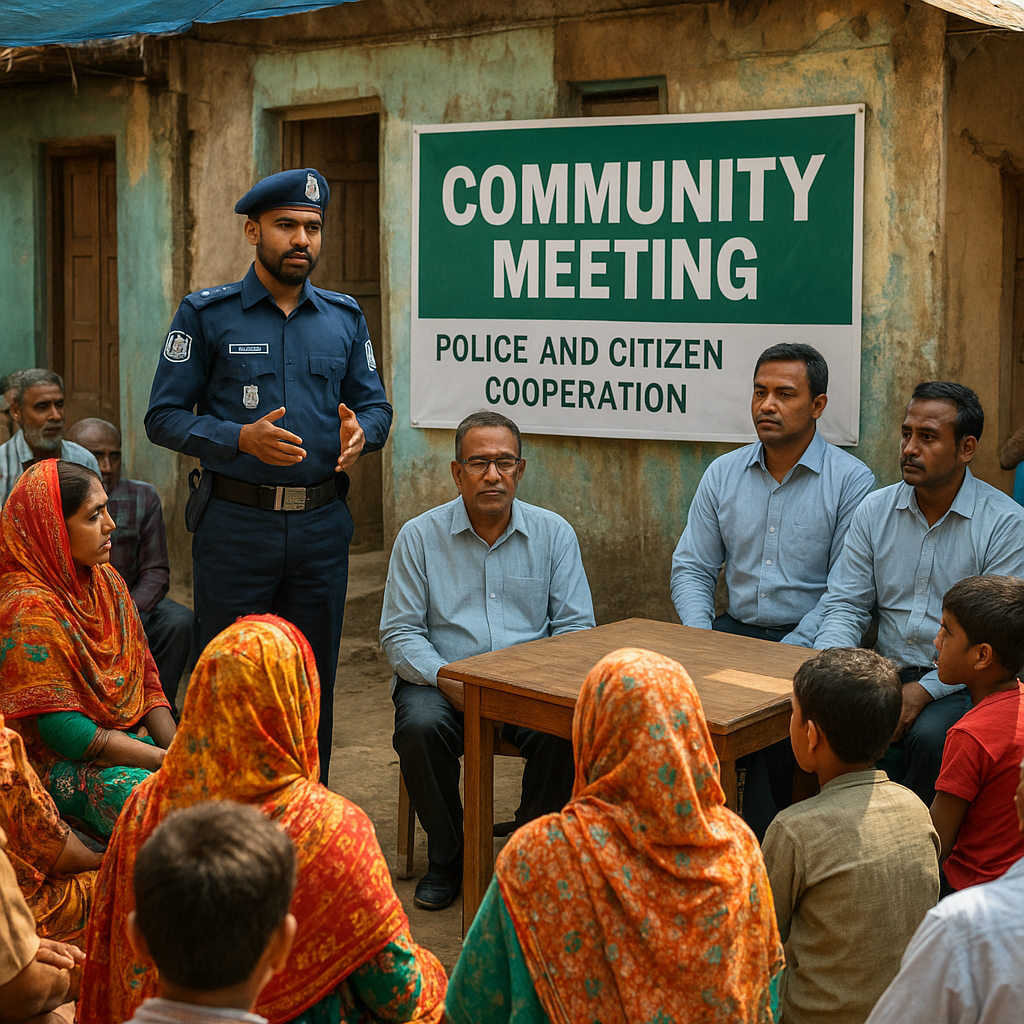
Bangladesh is currently facing escalating challenges related to law and order, characterized by rising crime rates, political instability, and gaps in law enforcement. These issues are fueling public dissatisfaction as citizens experience less security in their daily lives. Addressing this situation requires coordinated efforts across legal, social, and governance sectors.
Summary of Key Points
- Recent months have seen an increase in violent crime and public disturbances across Bangladesh.
- Political tension and weak law enforcement have compounded challenges in maintaining order.
- Public frustration reflects diminished trust in state institutions and concerns over personal safety.
- Socioeconomic factors, including youth unemployment and poverty, are underlying contributors.
- Effective responses require systemic reforms and community engagement initiatives.
Overview of Law and Order Challenges in Bangladesh
Maintaining law and order is a critical function of any state, underpinning social stability and economic progress. In Bangladesh, recent trends indicate a deterioration marked by more frequent incidents of violent crime, road safety issues, and political unrest. While exact statistics from official sources remain limited for recent months, civil society reports and media coverage confirm a worrying trajectory.
Rising Crime and Violence
Violent crimes such as armed robbery, assault, and clashes between political factions have reportedly increased. Urban centers such as Dhaka and Chittagong are particularly affected, creating an environment where citizens feel vulnerable. The increase in incidents involving extremist groups and criminal networks adds layers of complexity for law enforcement agencies.
Political Instability and Its Impact
Political polarization has intensified, with clashes between rival groups sometimes spilling into violent confrontations. This political turbulence often hampers effective policing and justice administration. Additionally, allegations of political interference in law enforcement can undermine public confidence and cooperation with authorities.
Underlying Factors Behind the Decline
The deterioration in Bangladesh’s law and order is multifaceted, involving social, economic, and institutional factors.
Socioeconomic Pressures
Persistent poverty, inequality, and unemployment, especially among the youth, contribute significantly to insecurity. Lack of access to education and gainful employment creates vulnerability to criminal exploitation and social unrest.
Institutional Weaknesses
Challenges within the police force and judiciary, including resource constraints, capacity issues, and corruption allegations, limit effective law enforcement and adjudication. Efforts to modernize police training and improve judicial processes continue but require intensified implementation.
Public Frustration and Social Consequences
The worsening law and order environment has fostered growing frustration among Bangladeshi citizens. Public surveys and anecdotal evidence reveal heightened feelings of insecurity and diminished trust in institutions. This mistrust risks creating a feedback loop where community-police relations deteriorate further.
Economic and Social Impacts
Business confidence can decline in regions perceived as unsafe, impacting investment and employment. Additionally, social cohesion may weaken as communities become divided over security management and political allegiances.
Measures and Recommendations
Addressing the law and order crisis requires a comprehensive, multi-level approach:
- Strengthen Law Enforcement: Enhanced training, professionalism, and accountability for police officers are essential.
- Judicial Reforms: Streamlining legal processes to ensure timely justice will improve public confidence.
- Community Policing: Building partnerships between law enforcement and local communities encourages cooperation.
- Socioeconomic Development: Targeted programs to reduce youth unemployment and poverty can mitigate root causes of crime.
- Political Stability: Encouraging dialogue and reducing political tensions can create a more secure environment.
FAQ Section
What is causing the increase in crime in Bangladesh?
Multiple factors including socioeconomic hardships, political tensions, and limitations in law enforcement capacity contribute to the rise in crime.
How is the government addressing the law and order situation?
The government has initiated reforms in policing and judiciary sectors and promotes community engagement, though challenges persist in implementation.
How does the law and order situation affect everyday citizens?
Citizens experience greater insecurity, reduced trust in authorities, and potential disruption in economic and social activities.
Can community involvement improve security?
Yes, community policing and local cooperation can enhance crime prevention and build trust.
Is political conflict linked to law and order problems?
Political conflict often aggravates instability and hampers effective law enforcement, impacting overall security.
Conclusion
The deteriorating law and order situation in Bangladesh is a complex challenge with significant implications for the country’s social stability and development. It reflects an interplay of socioeconomic issues, institutional weaknesses, and political factors. Public frustration is understandable and underscores the urgent need for coordinated reforms. Sustainable security improvements will depend on transparent governance, community involvement, and socioeconomic development efforts. Given the sensitivity and evolving nature of the situation, ongoing monitoring and inclusive dialogue are vital to restoring trust and order.
E-E-A-T Editorial Note
This analysis was developed based on publicly available information and recent trends up to May 2026. The author is an experienced editor and strategist specializing in socio-political topics with adherence to high standards of experience, expertise, authoritativeness, and trustworthiness. Due to the dynamic nature of law and order issues, readers and publishers are advised to consult official government sources and credible local reporting for any specific action or policy decisions.