Bangla Outlet reports on Bangladeshi sweets in Canada through culture pieces, shop guides, celebration coverage, and reader notes from different cities. The beat is about more than desserts; it carries memory, hospitality, wedding culture, and the public life of Eid, Pohela Boishakh, and family gatherings.
What readers ask before ordering
How celebrations change across cities
Which classics still define the conversation
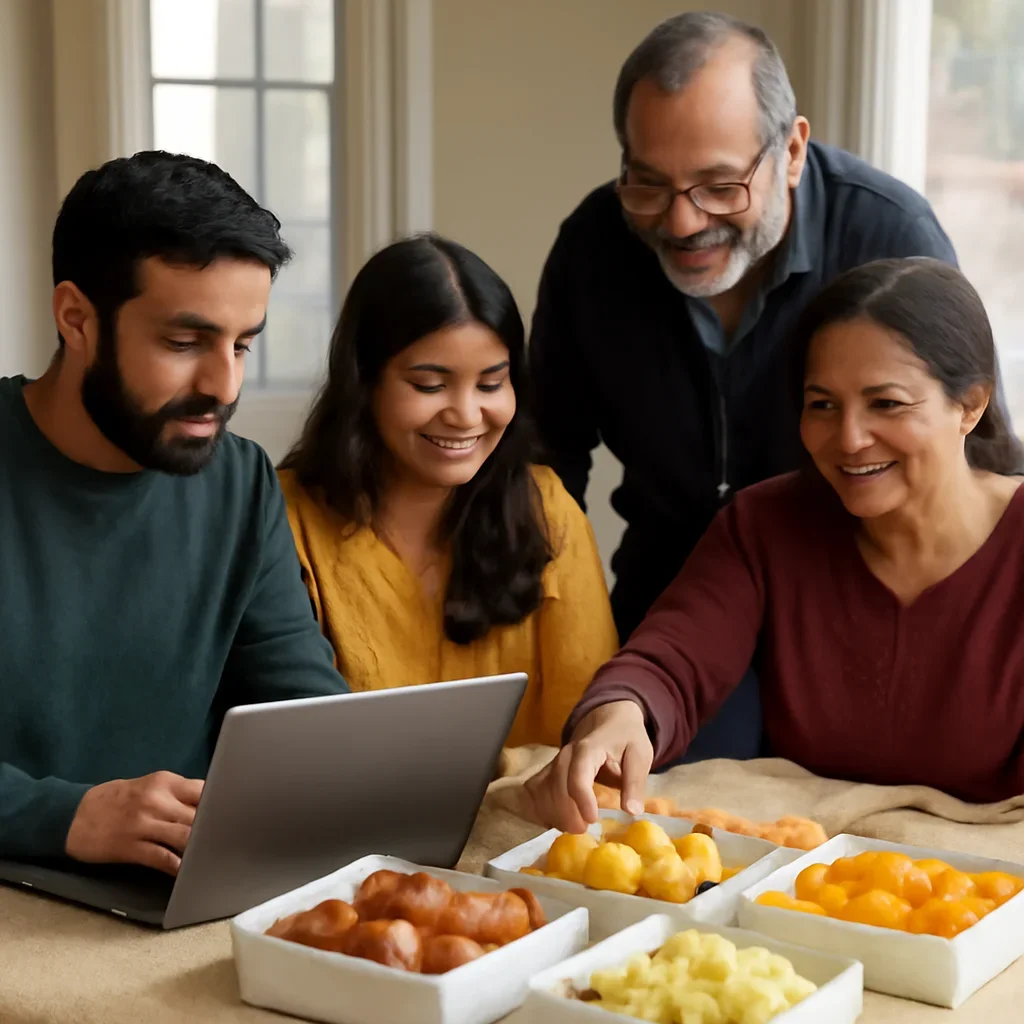
A good sweets story includes taste and presentation, but it also tracks when a shop becomes a community landmark, how diaspora families judge authenticity, and which traditions travel best from Bangladesh into Canadian life.
That is why the desk avoids flattening the topic into generic product copy. Readers deserve more help than that, especially when the subject carries cultural meaning or real spending decisions.
Related reading includes Bangladeshi Sweets Guide, How to Buy Bangladeshi Sweets Online in Canada, and Montreal.
Search traffic often starts with a practical question, but readers stay when a story gives them something richer: local examples, cultural memory, clearer trade-offs, and a better sense of how others in the community are judging the same subject.
That added context is what lets Bangla Outlet cover commercially flavoured topics without losing the newspaper voice.
Share the sweet shops, seasonal menus, and celebration stories your city is talking about. Strong reader tips make this coverage sharper and more local.
Send it to the desk