Tangail vs Jamdani Sarees
Readers compare Tangail and Jamdani because the two can look adjacent at first glance while serving very different needs and carrying different cultural signals.

What readers are usually trying to solve
Most readers arrive here because they want clarity. Sometimes that means cultural context. Sometimes it means practical judgment. Often it means both at once.
A saree story can move from craftsmanship to community debate very quickly. Jamdani, Banarasi, Tangail, bridal, and cotton pieces each carry a different kind of weight, and diaspora readers often want context before they make a choice.
How Bangla Outlet approaches the answer
We start with the plain-language answer, then add the details that keep the subject honest. That is especially important on topics where search results are crowded with sales language, weak summaries, or generic copy with no understanding of Bangladeshi life.
- Weaves, occasions and symbolism
- How readers compare styles
- Boutique reputation and presentation
Where readers often go wrong
Rushed decisions usually happen when context is missing. A cultural subject gets flattened into a product category, a search result is treated like a recommendation, or a community story is reduced to whichever page shouts the loudest.
A better guide slows the decision down just enough to make it more informed. That is the editorial value Bangla Outlet is trying to add across the archive.
Keep the subject connected
Continue with How to Choose a Bangladeshi Saree Online and Jamdani Saree Guide.
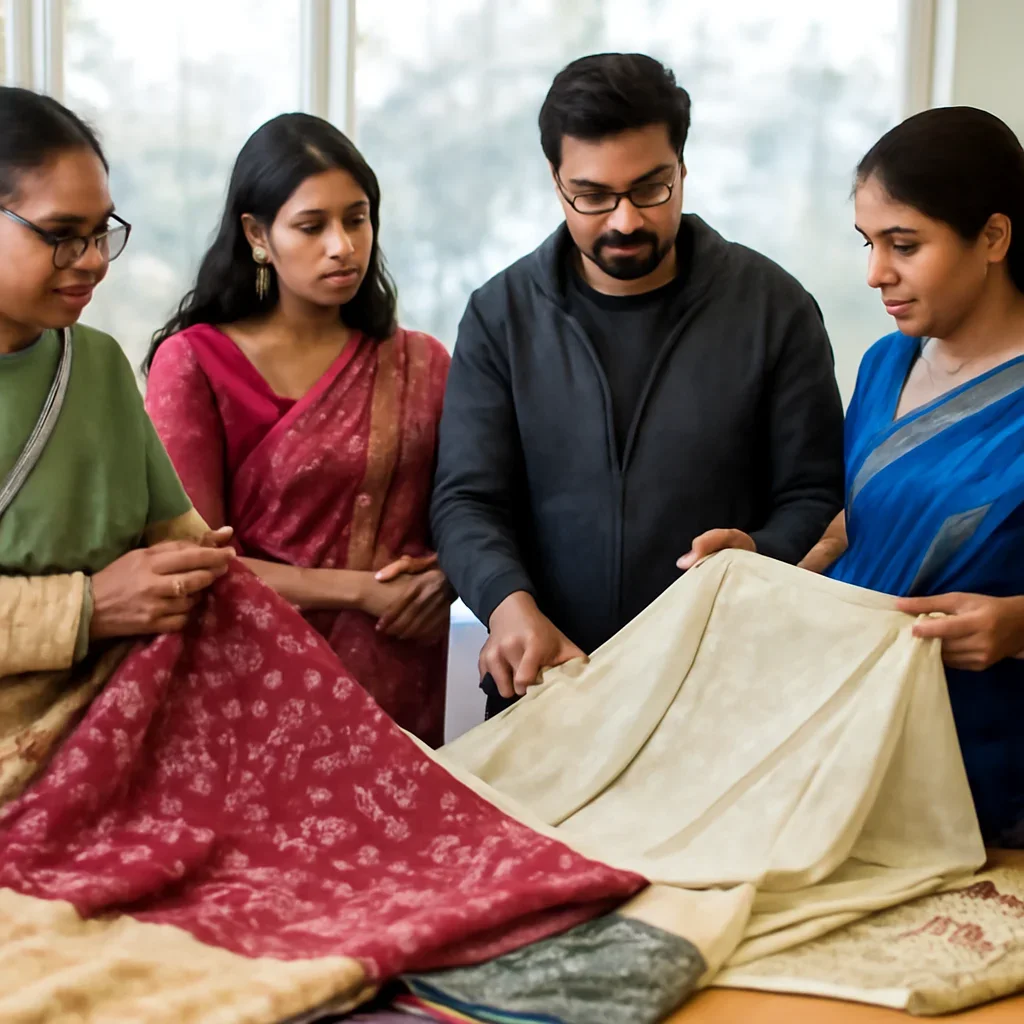
Why newspaper-style guides work better here
Readers do not only need content. They need judgment. A guide written by a newspaper can combine cultural explanation, community relevance, and practical caution without pretending every answer begins and ends at checkout.
That keeps the archive aligned with Bangla Outlet’s actual identity: a Bangla newspaper in Canada that covers how people live, decide, remember, and argue.
Have a local angle or a reader question we should follow up?
Send the topic, city, and reason readers keep asking about it. Strong guides often begin with repeated community questions.
Send a note to the desk