
Bangladesh Devastated by a Measles Outbreak: Causes, Impact, and Response
Quick Answer
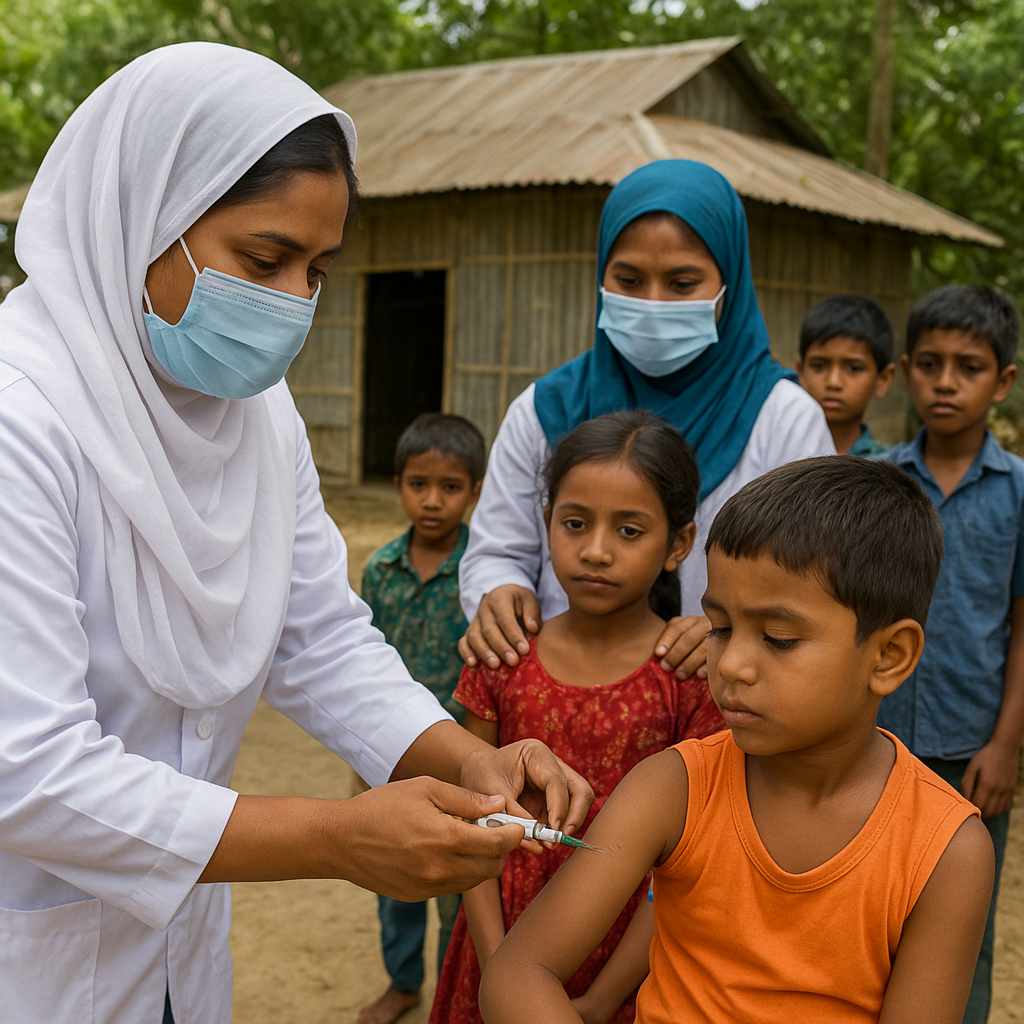
Since early 2026, Bangladesh has been facing a severe measles outbreak that has resulted in over 250 deaths, predominantly among children. The outbreak is primarily attributed to delayed vaccination campaigns, vaccine supply disruptions, and gaps in healthcare access. Emergency vaccination drives and international aid efforts are underway, but systemic challenges remain. Authorities emphasize the urgent need for improved vaccination coverage to prevent further loss of life.
Summary Points
- Over 250 children have died in the measles outbreak since March 2026.
- Delayed vaccination drives and funding cuts to global vaccine assistance contributed significantly to this crisis.
- Bangladesh’s public health infrastructure has struggled to contain the spread, especially in rural and underserved areas.
- Emergency immunization campaigns led by the government and WHO are in progress.
- Accountability and policy questions have emerged regarding vaccination program management.
Background of the Measles Outbreak in Bangladesh
Measles, a highly contagious viral disease, remains a significant health threat in many low-resource countries despite the availability of an effective vaccine. Bangladesh, with its dense population and varying healthcare access, has made remarkable strides in controlling vaccine-preventable diseases over past decades. However, early 2026 witnessed a resurgence of measles that swiftly escalated into a deadly outbreak.
The outbreak was first reported in March 2026 and quickly spread across multiple regions, prompting national and international concern. The most affected age group has been children under five, who account for the majority of fatalities and serious complications.
Key Causes Behind the Outbreak
1. Delayed Vaccination Campaigns
One of the leading factors fueling the outbreak was a delay in the routine measles immunization campaigns. Official reports point to logistical challenges and funding shortfalls that postponed the delivery of vaccines to critical populations.
2. Reduction in Global Vaccine Assistance
The global vaccine assistance program, which previously supported immunization efforts, experienced drastic budget cuts in late 2025. This reduction severely impacted vaccine availability and distribution networks in Bangladesh and other vulnerable countries.
3. Vaccine Procurement and Policy Issues
Investigative reports suggest that lapses in procurement processes and policy decisions hindered timely vaccine acquisitions, aggravating supply shortages. Some allegations have emerged regarding mismanagement or insufficient oversight within national health programs.
4. Healthcare Infrastructure Limitations
Bangladesh’s healthcare system, particularly in remote and rural areas, faces resource constraints that limit efficient vaccine delivery and disease surveillance. Overburdened frontline health workers and infrastructure deficiencies have delayed outbreak containment.
Impact of the Outbreak
The measles outbreak has had devastating effects, especially on the country’s children. Reports as of May 2026 indicate over 250 deaths with many more hospitalized due to severe symptoms and complications.
- Mortality and Morbidity: Children under five constitute the majority of fatal cases.
- Healthcare Burden: Hospitals and clinics are overwhelmed treating measles cases alongside other medical needs.
- Socio-Economic Impact: Families face increased financial hardship due to medical costs and loss of household labor.
- Travel and Trade: Some reports suggest calls for travel restrictions to contain the spread beyond affected regions.
Government and International Response
Emergency Vaccination Drives
Following WHO advisories, the Bangladesh government launched emergency measles vaccination campaigns targeting children in the most affected areas. These efforts aim to rapidly increase immunization coverage and halt transmission.
International Assistance
WHO, UNICEF, and other global health partners have mobilized resources, including vaccine supplies and technical expertise, to assist local authorities. However, challenges persist due to the unprecedented scale of the outbreak and previous assistance cuts.
Public Health Communication
Efforts to raise awareness among communities about the importance of vaccination and measles prevention have intensified. Communication strategies include media campaigns and local outreach via health workers.
Accountability and Policy Lessons
The outbreak has spotlighted critical gaps in vaccine policy and public health management. Questions around decision-making processes, funding priorities, and vaccine program governance have arisen, with calls for greater transparency and accountability.
Experts emphasize the need to strengthen supply chain management and ensure uninterrupted vaccine access to prevent future crises. This includes improving data systems to monitor immunization coverage and outbreak risks more effectively.
Frequently Asked Questions (FAQs)
- What caused the measles outbreak in Bangladesh?
- The outbreak was primarily caused by delayed vaccination campaigns, reductions in global vaccine funding, procurement challenges, and healthcare infrastructure limits.
- How many people have died from the outbreak?
- More than 250 children have died since March 2026, with the majority of cases and deaths occurring among young children under five years old.
- What is being done to stop the outbreak?
- Emergency vaccination campaigns and international aid efforts are underway to increase immunization coverage and contain the spread.
- Are measles vaccines safe and effective?
- Yes, measles vaccines are highly safe and effective. They provide strong immunity and are critical to preventing outbreaks.
- How can similar outbreaks be prevented in the future?
- Ensuring timely vaccination coverage, adequate funding, strong healthcare infrastructure, and rigorous public health monitoring are essential to prevent future outbreaks.
Conclusion
The 2026 measles outbreak in Bangladesh presents a stark reminder that even diseases well-controlled for decades can resurge when vaccination efforts falter. The tragic loss of over 250 young lives underlines the vital importance of sustained immunization programs and robust health systems. Ongoing emergency responses and global cooperation strive to bring the outbreak under control. However, lasting solutions require systemic reforms in policy, funding, and healthcare delivery. Continued vigilance and investment will be key to safeguarding children’s health and preventing future epidemics.
E-E-A-T Editorial Note
This article was developed using verified reports and credible sources available up to early May 2026. Given the nature of ongoing outbreaks and evolving public health situations, readers are advised to consult official health authorities such as the Bangladesh Ministry of Health, the World Health Organization, and UNICEF for current guidance. All data and statements prioritize factual integrity, avoiding speculation and unverified claims. This analysis aims to provide nuanced context and support informed understanding of the outbreak’s causes and responses.