
Bangladesh’s Foreign Minister Visits China: What It Means for Bangladesh–India Relations
Quick Answer
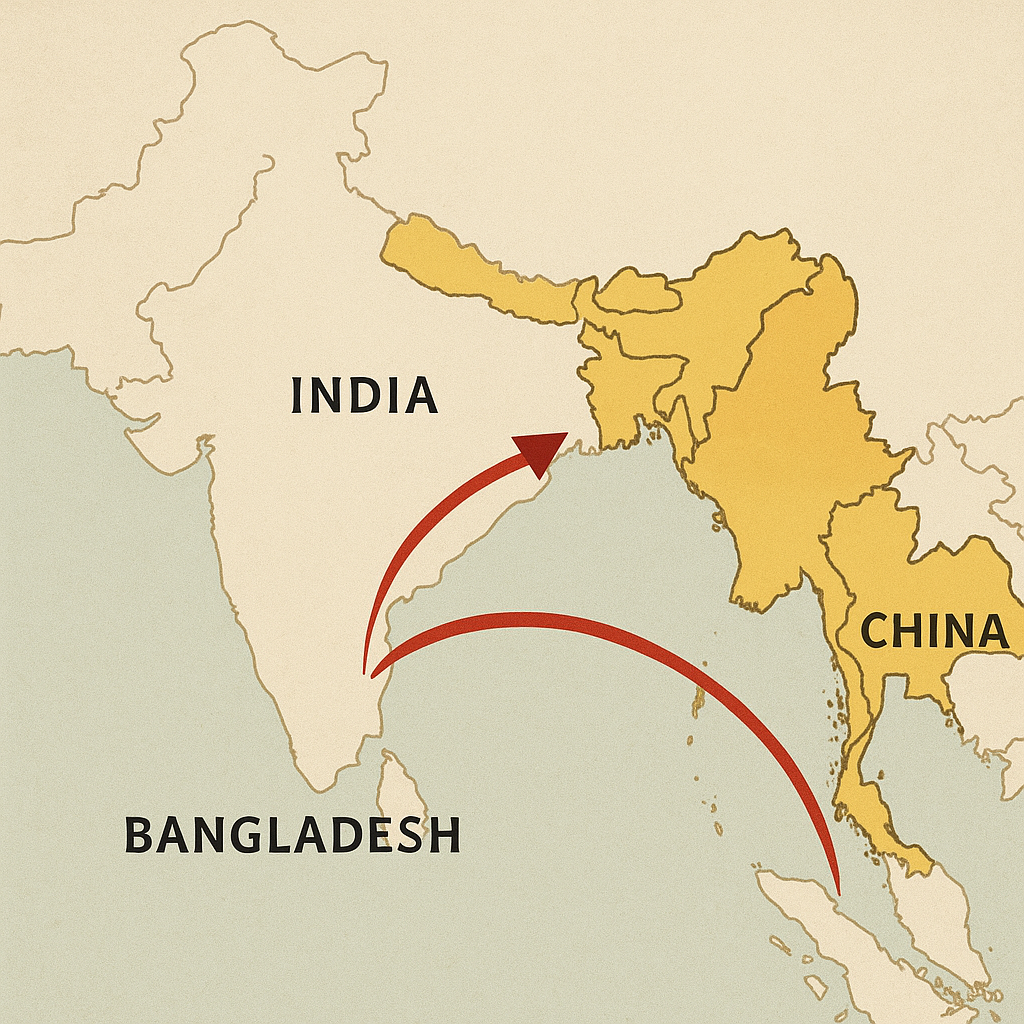
Bangladesh’s Foreign Minister visiting China signals Dhaka’s intention to balance its regional partnerships amid a cautious recalibration of Bangladesh–India relations. While the historical and economic ties with India remain strong, renewed engagement with China highlights Bangladesh’s strategy to diversify its foreign policy and leverage expanding opportunities in economic cooperation and infrastructure development. This nuanced shift suggests a more multi-vector foreign policy approach rather than an outright tilt away from India.
Context and Recent Developments
In early May 2026, Bangladesh’s Foreign Minister undertook a significant diplomatic visit to China. The trip, coming on the heels of ongoing negotiations and cooperation frameworks, emphasizes intensified bilateral collaboration between Dhaka and Beijing. Notably, this development coincides with evolving dynamics in Bangladesh–India relations, a key relationship historically defined by cultural affinity, economic interdependence, and shared borders.
Recent policy discussions and treaty renewals, such as the Ganges water-sharing treaty, have stirred debate over the depth and direction of Bangladesh–India ties. Furthermore, China’s growing footprint in South Asian infrastructure and trade presents Bangladesh with alternatives that complicate traditional India-centric diplomatic calculations.
Historical Overview of Bangladesh–India Relations
Bangladesh and India share a deep history marked by cooperation and challenges. Since Bangladesh’s independence, India has been a vital partner in trade, energy supply, connectivity, and regional security. Bilateral relations have witnessed steady development through agreements on border management, transit rights, and river water sharing.
Nonetheless, tensions periodically arise regarding border disputes, trade imbalances, and water resource management. India remains Bangladesh’s largest trading partner, but competition from Chinese investments in Bangladesh has added strategic complexity to Dhaka’s foreign policy.
Bangladesh’s Strategic Engagement With China
China has strategically deepened relations with Bangladesh over the past decade, focusing on infrastructure investment, military cooperation, and trade. The China-Bangladesh Economic Corridor, part of China’s Belt and Road Initiative (BRI), is a flagship project boosting connectivity and industrial zones.
The Foreign Minister’s 2026 visit sought to reinforce these ties, securing new agreements and signaling China’s sustained priority in Bangladesh’s strategic calculations. This engagement reflects Bangladesh’s ambition to harness global partnerships for economic growth without being overly dependent on any single neighbor.
Implications for Bangladesh–India Relations
Balancing Act: Bangladesh’s Foreign Policy
While the Bangladesh-China visit could be interpreted as a strategic outreach balancing India’s regional dominance, Dhaka continues to assert that cooperation with all partners is designed for national development and regional stability.
India, aware of China’s intent in the neighborhood, remains a dominant influence through shared history and economic links. However, Dhaka’s asserted desire to diversify options also means India cannot take its position for granted and must address bilateral issues with renewed focus and flexibility.
Key Issues Impacting Bilateral Dynamics
- Water Resource Management: The Ganges Treaty renewal negotiations remain critical and delicate. Bangladesh’s concerns over water security necessitate cooperation, but unresolved issues could strain ties.
- Trade and Connectivity: Bangladesh’s economic growth encourages expanded trade with India, but it is also leveraging Chinese infrastructure investments to enhance its ports and industrial capacity.
- Security and Regional Influence: Both India and China compete subtly for influence in Bangladesh’s security domain, requiring Dhaka to carefully manage diplomatic messaging.
Regional Geopolitics and the Global Context
Bangladesh’s relations with India and China cannot be understood in isolation from broader regional geopolitics and the shifting global order. As great power competition intensifies in South Asia, Bangladesh’s foreign policy reflects an adaptive strategy to maintain sovereignty, attract investment, and secure economic development.
International players, including the United States and multilateral organizations, are attentive to these dynamics. Dhaka’s diplomacy aims to avoid being caught in overly polarized alignments while maximizing its strategic autonomy.
Frequently Asked Questions
- Why is Bangladesh enhancing ties with China now?
- Bangladesh seeks to diversify its foreign relations and accelerate economic growth through Chinese investments and infrastructure projects, reducing overreliance on any single partner.
- Will this visit damage Bangladesh–India relations?
- Not necessarily. Bangladesh aims for a balanced foreign policy. Though challenges exist, Dhaka continues to value cooperation with India while expanding other partnerships.
- What role does the Ganges water treaty play in the relations?
- The treaty is central to resource sharing and regional stability. Its renewal impacts trust and cooperation, influencing broader bilateral relations.
- How is India reacting to Bangladesh’s engagement with China?
- India remains engaged with Bangladesh and is monitoring China’s influence closely. It is likely to pursue stronger ties and address bilateral issues proactively.
- What does this mean for regional security?
- Bangladesh’s multi-vector approach may contribute to regional balance but requires careful diplomacy to avoid escalating great power competition locally.
Conclusion
Bangladesh’s Foreign Minister’s visit to China in 2026 marks a meaningful juncture in South Asian geopolitical relations. While Bangladesh retains strong and historic ties with India, it is intentionally broadening its foreign policy horizon to include robust collaboration with China. This approach reflects pragmatism, aiming to benefit from China’s economic resources while not jeopardizing vital neighborly relations with India.
Going forward, the trajectory of Bangladesh–India relations will depend significantly on how both countries address key challenges such as water sharing, trade balance, and diplomatic engagement amid intensifying regional competition. A constructive and inclusive dialogue remains essential to uphold peace, mutual benefit, and regional stability.
E-E-A-T Editorial Note
This article has been prepared with attention to up-to-date information as of May 5, 2026, drawing on recent official visits and policy analysis reports. Content is designed to provide a balanced and fact-based overview of Bangladesh’s foreign relations in the current geopolitical context. Given the complex and evolving nature of international relations, readers are encouraged to consult multiple sources for comprehensive understanding. For topics bearing on national security, water treaties, and diplomacy, verification with primary governmental or expert sources is advisable before making critical decisions.