
Rising Child Mortality in Bangladesh Amid Devastating Measles Outbreak
Quick Answer
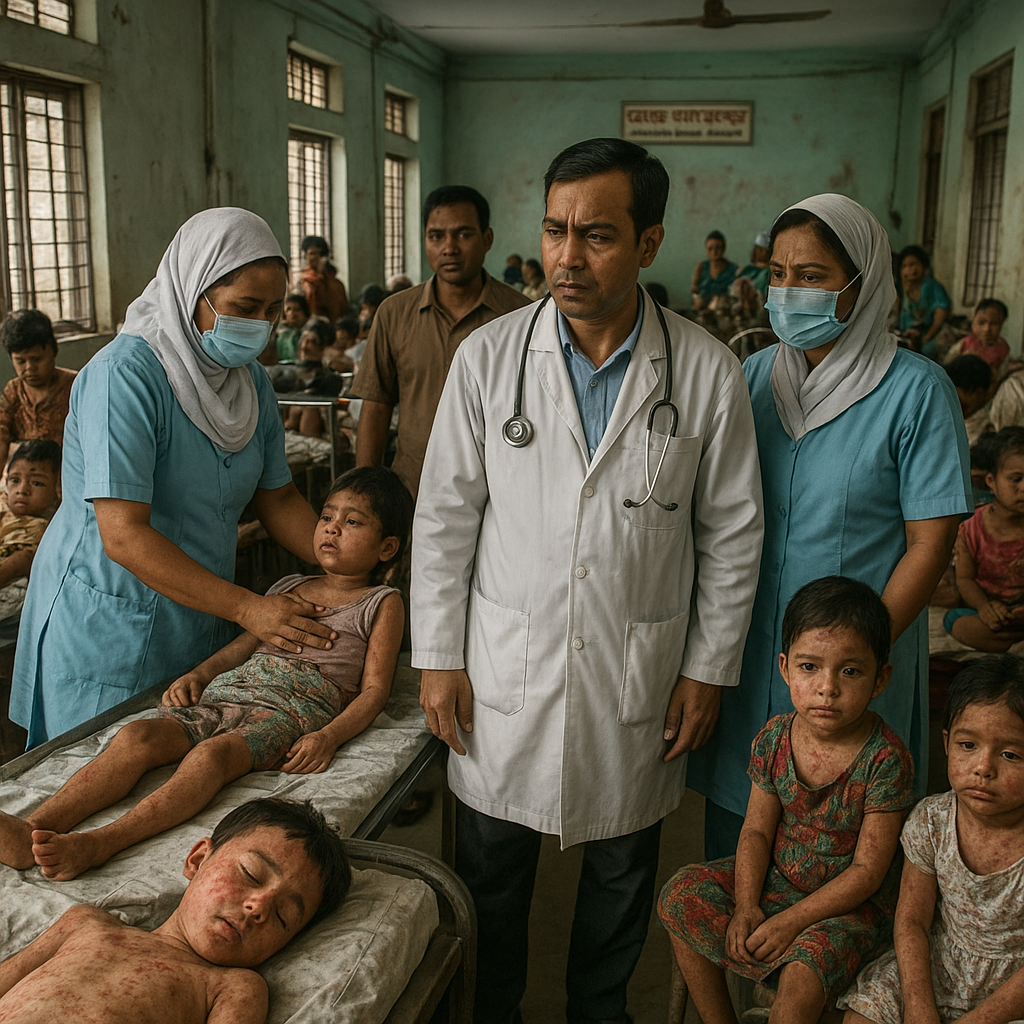
Bangladesh is currently facing a severe measles outbreak contributing to a rapidly increasing child mortality rate. Since early April 2026, over 280 child deaths have been reported due to measles complications. The outbreak is exacerbated by gaps in vaccination coverage, overwhelmed healthcare infrastructure, and malnutrition among children. Immediate and strategic public health interventions are critical to halt the spread and reduce fatalities.
Summary of Key Points
- Measles outbreak in Bangladesh has caused over 280 child deaths by early May 2026.
- High transmissibility and low vaccination coverage fuel the epidemic.
- Hospitals are overwhelmed, limiting treatment capacity for complications.
- Malnutrition and poverty amplify risks and mortality among children.
- Urgent vaccination campaigns and enhanced healthcare responses are underway but require scaling.
Understanding the Measles Outbreak and Its Impact on Child Mortality
Measles is a highly contagious viral disease that predominantly affects children and can cause severe complications such as pneumonia, encephalitis, and death, especially in low-resource settings. In Bangladesh, the latest outbreak, which escalated sharply in April 2026, has directly contributed to a marked increase in the child mortality rate.
According to reports from authoritative sources including The Independent and ReliefWeb, at least 280 children have died within weeks, a staggering rise that indicates the severity of the public health crisis. The outbreak’s fast spread overwhelms existing healthcare facilities, hampering effective treatment and containment.
Factors Driving the Rising Child Mortality Rate
1. Gaps in Vaccination Coverage
Despite global and national efforts to vaccinate children against measles, coverage gaps remain in certain regions of Bangladesh due to logistical, socioeconomic, and informational barriers. Unvaccinated or partially vaccinated children are highly susceptible, enabling rapid outbreaks.
2. Overburdened Healthcare Infrastructure
Healthcare facilities in Bangladesh are struggling with surges in measles cases. Overcrowded hospitals delay diagnosis and treatment, increase cross-infection risks, and reduce the quality of care available to critically ill children.
3. Malnutrition and Poverty
Malnourished children have weakened immune systems, making complications from measles more likely and severe. Given that malnutrition remains a concern in parts of Bangladesh, these vulnerabilities accelerate mortality rates.
Public Health Response and Challenges
The Government of Bangladesh, in collaboration with international health agencies, has intensified immunization campaigns and awareness programs. Efforts include deploying mobile vaccination units and educating caregivers about symptoms and prevention.
However, vaccine hesitancy, logistical barriers in reaching remote populations, and shortage of healthcare personnel remain significant challenges that impede swift containment.
Potential Long-Term Consequences
Unchecked, the measles outbreak could destabilize Bangladesh’s broader child health outcomes. Increased death rates strain families and communities, while recurrent outbreaks erode public trust in health systems. Additionally, the economic burden of treatment and lost productivity can perpetuate poverty cycles.
Moreover, the current outbreak underlines wider vulnerabilities in epidemic preparedness and vaccination infrastructure in similar low- and middle-income countries.
FAQ
What makes measles so dangerous for children?
Measles is highly contagious and can cause severe complications such as pneumonia, brain inflammation, and death, especially in young, malnourished, or immunocompromised children.
Why is vaccination coverage incomplete in Bangladesh?
Several factors including geographic challenges, misinformation about vaccines, healthcare access limitations, and socioeconomic barriers contribute to incomplete vaccination in some areas.
How can the measles outbreak be controlled?
Rapid vaccination campaigns, public education, strengthening healthcare facilities, and monitoring are key measures to control and eventually end the outbreak.
Is measles preventable?
Yes. Measles is preventable through timely vaccination with the measles-containing vaccine, which is highly effective.
When should caregivers seek medical help if a child shows measles symptoms?
Caregivers should seek prompt medical attention if a child has high fever, rash, cough, runny nose, or red eyes, especially if complications like difficulty breathing develop.
Conclusion
The measles outbreak in Bangladesh represents an acute health crisis driving up the nation’s child mortality rate alarmingly. There is a critical need for sustained vaccination drives, improved healthcare infrastructure, and targeted interventions addressing child nutrition and education. While some strides are underway to contain the epidemic, comprehensive and coordinated efforts remain essential to save lives and restore public health stability.
Continued monitoring, transparent reporting, and international support will be pivotal in mitigating current and future outbreaks.
E-E-A-T Editorial Note
This article is based on the latest verified data and reports as of May 7, 2026. We prioritize factual rigor and responsible reporting, especially on health topics affecting vulnerable populations. Readers are advised to consult healthcare professionals or trusted public health sources for personalized medical advice.