
Tensions Between Bangladesh and India Over the Implementation of the Teesta Project
Quick Answer
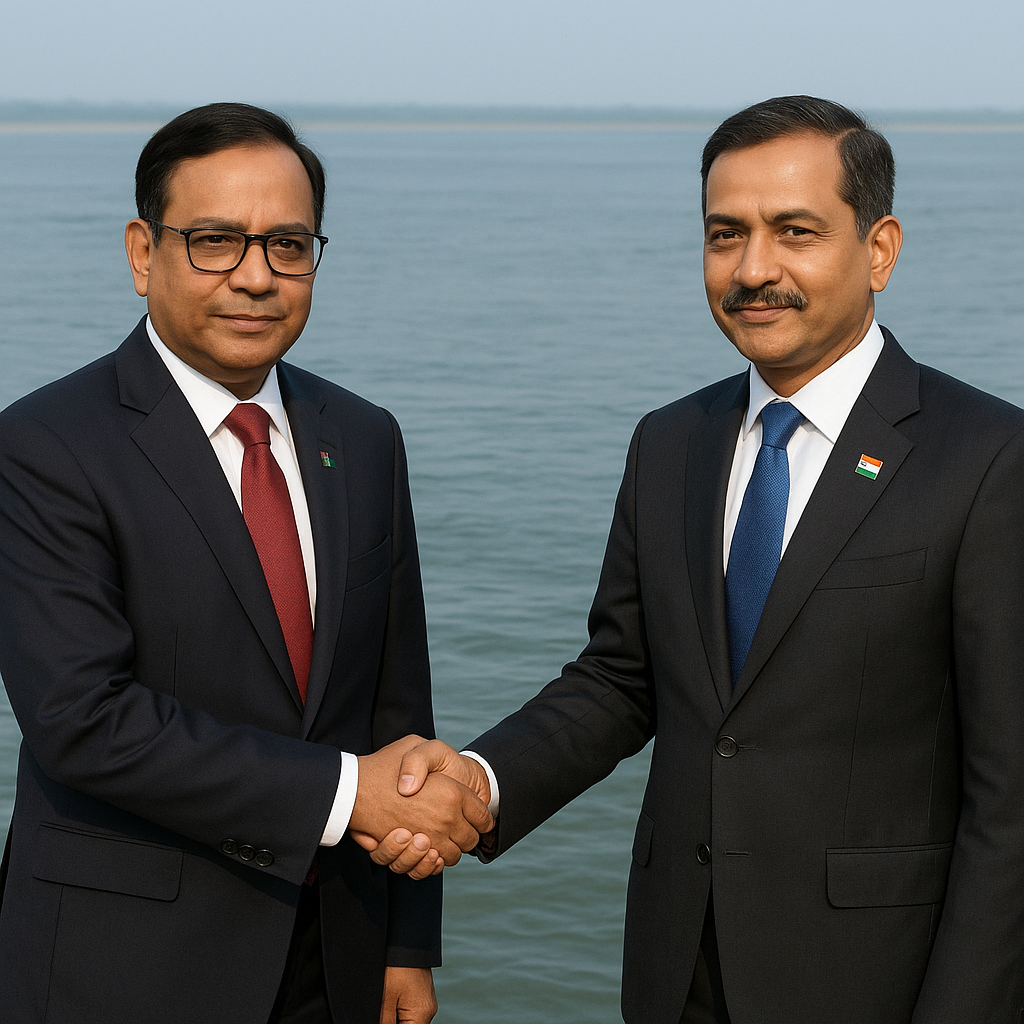
The Teesta project, a critical water-sharing agreement between India and Bangladesh, has become a source of significant tension as both countries seek to finalize terms amid complex political, environmental, and economic challenges. Recent developments in 2026 reveal renewed optimism on Bangladesh’s side but persistent delays and disagreements from India, prolonging uncertainty and impacting bilateral relations.
Key Points Summary
- The Teesta River is a vital transboundary water source for both Bangladesh and India, particularly for agriculture and drinking water.
- Despite numerous talks, a binding water-sharing agreement on the Teesta project remains elusive due to political sensitivities, especially within India.
- Bangladesh has expressed increasing urgency for resolution, emphasizing equitable water distribution and threatening to pursue alternatives.
- India remains cautious, balancing domestic political concerns mainly in West Bengal with bilateral diplomatic priorities.
- The standoff illustrates broader regional challenges of transboundary water governance and the delicate balance required for sustainable cooperation.
Background: The Teesta River and Its Importance
The Teesta River originates in the Indian states of Sikkim and West Bengal before crossing into Bangladesh, where it merges with the Brahmaputra. The river sustains millions of people across both countries, mainly providing irrigation for agricultural lands and domestic water supplies.
Given the river’s significance, water sharing between India and Bangladesh over the Teesta has long been contentious. Historically, under the 1996 Ganges Water Treaty, focus remained chiefly on the Ganges River, while Teesta’s allocation remained unresolved. This gap has resulted in challenges that persist to this day.
Recent Developments in 2026
Bangladesh’s Renewed Push
Following political shifts within Bangladesh and India, 2026 has seen a renewed push by Bangladesh’s leadership to finalize the Teesta agreement. The ruling Bangladesh Nationalist Party (BNP) has publicly welcomed India’s West Bengal state election results as a positive sign toward resolving the dispute.
Bangladeshi officials, including the foreign minister, have expressed impatience with delays and skepticism over India’s political will to implement a fair water sharing deal. Statements from May 2026 indicate Bangladesh’s resolve to explore alternative options if India’s cooperation stalls further.
India’s Political and Domestic Considerations
On the Indian side, the water-sharing issue with Bangladesh remains sensitive, especially in West Bengal, where regional politics play a critical role. India’s central government faces pressure to maintain internal political stability and protect agricultural interests, slowing down faster movement on the Teesta agreement.
India contends that any agreement must balance the upstream requirements without adversely impacting West Bengal farmers, hence advocating for more detailed studies and mutual trust building before implementing any binding accord.
Analytical Perspectives on the Tensions
Water Diplomacy Challenges
The Teesta water dispute exemplifies the broader challenges of transboundary water diplomacy globally. Conflicting national interests, environmental factors, changing climate patterns, and domestic political pressures complicate bilateral negotiations. The river’s seasonal variability creates unpredictability in water availability, challenging fixed sharing formulas.
The Role of Political Dynamics
Political landscape shifts heavily influence how water-sharing agreements evolve. In India, especially, the central and state governments’ differing priorities and electoral considerations significantly affect decision-making. Bangladesh’s diplomatic approach reflects its increasing demand for predictable water flows to sustain its agriculture-dependent economy.
Potential Pathways Forward
Experts suggest successful resolution demands increased transparency, joint data sharing, third-party mediation, and frameworks attuned to seasonal and climatic variability. Stronger people-to-people connections and regional water management initiatives could also foster trust. Both nations may consider updating the framework to incorporate adaptive management beyond fixed allotments.
Frequently Asked Questions (FAQs)
What is the Teesta River project?
The Teesta project refers to efforts by India and Bangladesh to establish a water-sharing agreement for the Teesta River, which flows through both countries and supports agriculture and water supply.
Why is there tension between Bangladesh and India over Teesta?
The tension arises from disagreements on how to equitably allocate the river’s water, balancing India’s upstream needs against Bangladesh’s downstream demands, complicated by political sensitivities and resource variability.
What has been done to resolve the dispute?
Multiple bilateral talks, expert committees, and political discussions have taken place since the 1990s, but a final binding agreement has proven elusive. Both sides continue negotiations with recent increased urgency.
What are the implications if the dispute is not resolved?
Unresolved tensions could harm diplomatic relations, exacerbate water scarcity for millions, hinder agricultural productivity, and add to regional instability in a resource-sensitive context.
Conclusion
The ongoing tensions between Bangladesh and India over the Teesta project reflect complex interdependencies of water, politics, and regional stability. Recent 2026 developments signal heightened urgency from Bangladesh but also underscore India’s cautious approach amid delicate domestic considerations.
For mutual benefit and long-term regional harmony, both countries will need to move beyond political rhetoric, embrace adaptive and data-driven frameworks, and pursue cooperative water management strategies. Close diplomatic engagement, transparency, and respect for each other’s legitimate needs present the most viable path forward.
E-E-A-T Editorial Note
This article leverages recent credible news reports and official statements from 2026 to provide a factual, analytical overview of the Bangladesh-India Teesta water tension. Given the dynamic and sensitive nature of international water disputes affecting livelihoods and national interests, consultation with policy experts and official sources is recommended before policy formulation or publication of related materials. The content is designed to enhance reader understanding, trust, and topical authority on South Asia’s transboundary water diplomacy.